
Misoprostol is a synthetic prostaglandin E1 analogue used to prevent and treat gastric ulcers, especially those caused by NSAIDs. It is also widely used in obstetrics for medical abortion, induction of labor, cervical ripening, and management of postpartum hemorrhage.
x
L
u
c
e
n
t

Get To Know About Misoprostol: Indications, Uses, Dosage, Drug Interactions, Side Effects
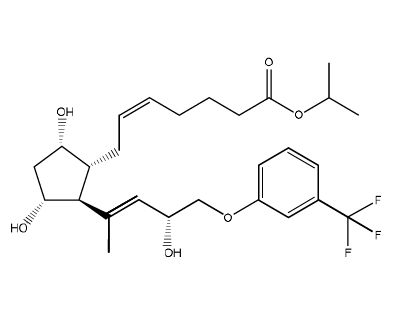
INTRODUCTION TO MISOPROSTOL
Misoprostol is an analogue of prostaglandins E1. At its early stage of formulation, it was created to guard the lining of the stomach against ulcers, specifically in patients that were taking nonsteroidal anti-inflammatory drugs (NSAIDs). Its capacity to cause uterine contractions and cervical ripening has however rendered it a necessary medicine in obstetrics and gynaecology. Its role varies significantly depending on the dosage and the context of its use, ranging from gastric protection to labour induction and pregnancy termination.
INDICATIONS & USES
- Prevention and Treatment of Gastric Ulcers: Misoprostol was initially used to prevent gastric ulcers caused by nonsteroidal anti-inflammatory drugs (NSAID). NSAIDs suppress protective prostaglandins in the stomach, which expose the stomach to ulcers. Misoprostol is a medication that is used to repair this protective effect by enhancing the production of mucus and bicarbonate and enhancing blood flow to the stomach mucosa.
- Medical Abortion: Misoprostol has become the most popular method of medical termination of early pregnancy either alone or combined with mifepristone. Mifepristone and misoprostol are used in combination to prevent progesterone and cause uterine contractions to force pregnancy tissue out respectively.
- Miscarriage Management: It is applied to the medical management of unsuccessful or missed miscarriage in which the uterus is assisted to expel retained tissue without surgery.
- Induction of Labour: Misoprostol is inducted in some clinical cases to induce labour by softening the cervix and inducing uterine contractions.
- Prevention and Treatment of Postpartum Haemorrhage (PPH): It is very important in prevention and treatment of excessive bleeding following childbirth particularly in those regions where injectable utilerotonics may not be easily accessible.
DOSAGE
Dosage varies significantly depending on the medical indication and gestational age. General examples are given below.
- Gastric ulcer prevention: 200 mcg orally 2-4 times a day with food.
- Medical abortion: 800 mcg usually following mifepristone, by route as per the protocol.
- Miscarriage treatment: 600-800 mcg, route varies according to clinical advice.
- Labour induction: Lower doses including 25 mcg vaginally every 4-6 hours are usually employed in order to minimise the chances of excessive uterine contractions.
- Postpartum haemorrhage: 600-800 mcg orally or rectally, according to prevention or treatment.
Misoprostol may induce severe uterine contractions and this is the reason why the drug should be administered with strict care during pregnancy related illnesses in order to prevent such complications as uterine rupture or fetal distress.
DRUG INTERACTIONS
Misoprostol has relatively few drug interactions compared to other medications, but there are critical considerations:
- Antacids: Other antacids, which contain magnesium, may exacerbate the diarrhoea which is often the consequence of taking misoprostol and should usually be avoided in combination with the drug.
- Other Prostaglandins: It should not be used concomitantly with other prostaglandin analogues because of the elevated chances of adverse effects.
- Food: Although misoprostol is minimally affected by food, it is advisable to avoid underabsorption of this drug in those who consume food, thus taking it together with food to promote gastric protection, which lowers the occurrence of diarrhoea.
SIDE EFFECTS
Side effects are generally dose-dependent and differ between the gastrointestinal and obstetric populations.
- Gastrointestinal Issues: The most common side effects are diarrhoea and abdominal pain. The diarrhoea may be dose related and it normally occurs during the initial few weeks of treatment. Nausea, flatulence and vomiting may also be experienced.
- Uterine Effects: It may lead to vaginal bleeding, spotting, cramping, and hyperstimulation of the uterus when used during pregnancy. Foetal distress may occur when uterine hyperstimulation is not used in a judicious way to induce labour.
- Reproductive Tract Effects: It can lead to dysmenorrhea and intermenstrual bleeding in non-pregnant women.
- Allergic Reactions: Occasionally rash or anaphylaxis can take place.
CONCLUSION
Misoprostol is a multifunctional and indispensable drug that has use in gastrointestinal protection and reproductive healthcare. It is a very important drug in resource-limited and in developed settings due to its effectiveness, stability, and affordability. However, due to its potent uterine effects and risk of significant side effects, it must always be used according to proper medical guidelines and under professional supervision.
FAQs
-
1. WHAT IS MISOPROSTOL AND WHAT IS IT USED FOR?
-
2. WHAT IS THE RECOMMENDED DOSAGE OF MISOPROSTOL?
Dosage varies depending on the indication. For gastric ulcer prevention, it is commonly prescribed as 200 mcg taken four times daily. In obstetric uses (such as medical abortion or labor induction), dosage and route (oral, vaginal, sublingual, or buccal) depend on clinical guidelines and should be determined by a healthcare provider.
-
3. DOES MISOPROSTOL INTERACT WITH OTHER MEDICATIONS?
Misoprostol has relatively few drug interactions. However, caution is advised when used with other uterotonic agents, antacids containing magnesium (which may increase diarrhea), or medications that stimulate uterine contractions. Always inform your doctor about all medications being taken.
-
4. WHAT ARE THE COMMON SIDE EFFECTS OF MISOPROSTOL?
Common side effects include diarrhea, abdominal pain, nausea, vomiting, and fever. In obstetric use, uterine cramping and vaginal bleeding are expected effects. Rare but serious complications may include heavy bleeding or uterine rupture, especially in high-risk pregnancies.